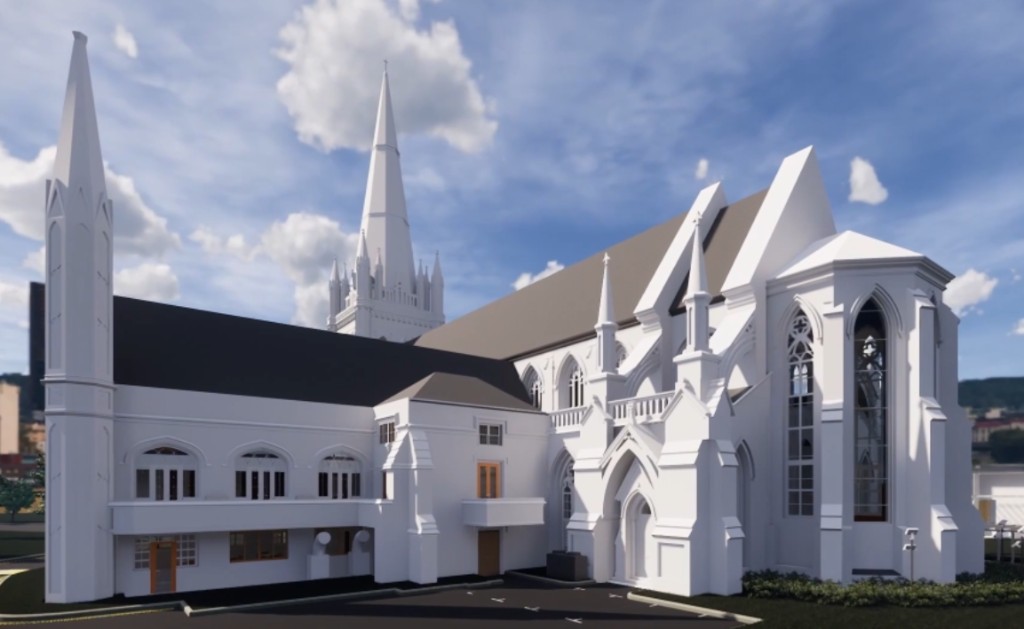
White 3D model of a Gothic cathedral with spires and arched windows against a blue sky

Existing Conditions Documentation for Historic Buildings

Our historic buildings serve as vital links to the past, repositories of culture, memory, and architectural inspiration. Despite their importance, these structures face constant threats from rapid development, shifting climate, and time, leading to a quiet crisis where priceless heritage is lost to opportunistic redevelopment, natural disasters, neglect, and well-intentioned but misguided renovation. The destruction of a historic building robs future generations of the opportunity to "touch the past" and experience the invaluable and often irreplaceable legacy of those who came before.

Existing Conditions Documentation (ECD) is the unsung hero of historic preservation. It is not a luxury, but a prudent act of intellectual and cultural preservation, a deliberate effort to capture the total state of a building at a single moment in time. ECD's primary goal is to create an accurate archival record before a structure is fundamentally altered or destroyed, ensuring its essential character, geometry, and story can endure even if the physical building cannot.
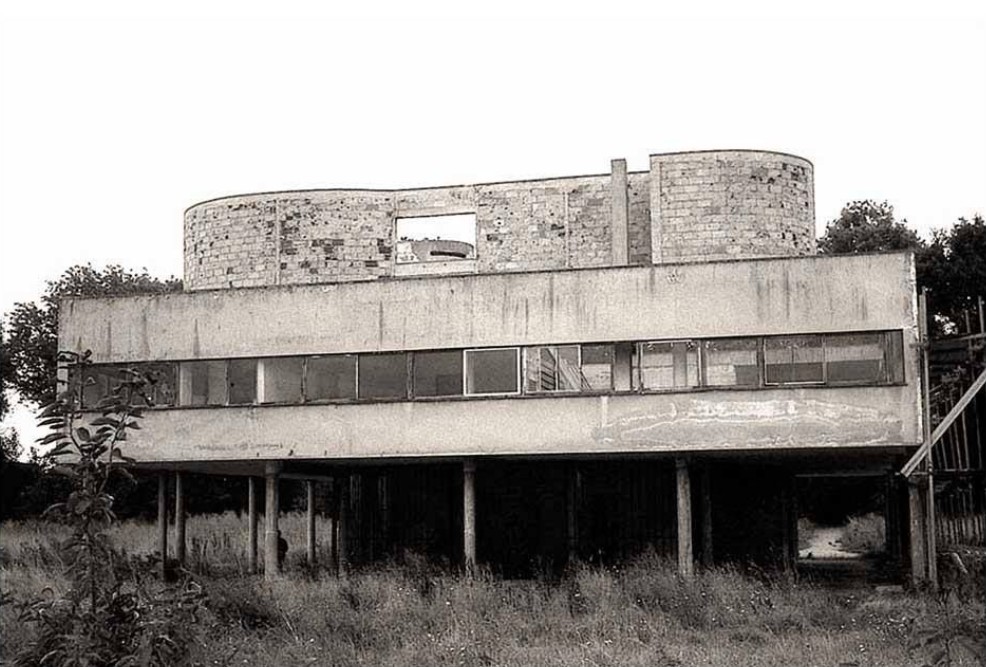
Black-and-white photograph of Le Corbusier’s Villa Savoye: weathered modernist facades on pilotis, ribbon windows, and overgrown foreground—illustrating architectural neglect and decay

Countering Destruction and Decay

Read more

Documentation provides critical preparedness against the multifaceted threats to historic structures:

  • Redevelopment and Demolition: Detailed ECD is a powerful tool for advocacy, offering irrefutable evidence of a building's significance. If demolition is unavoidable, the record captures the building's essence for posterity and historical analysis.
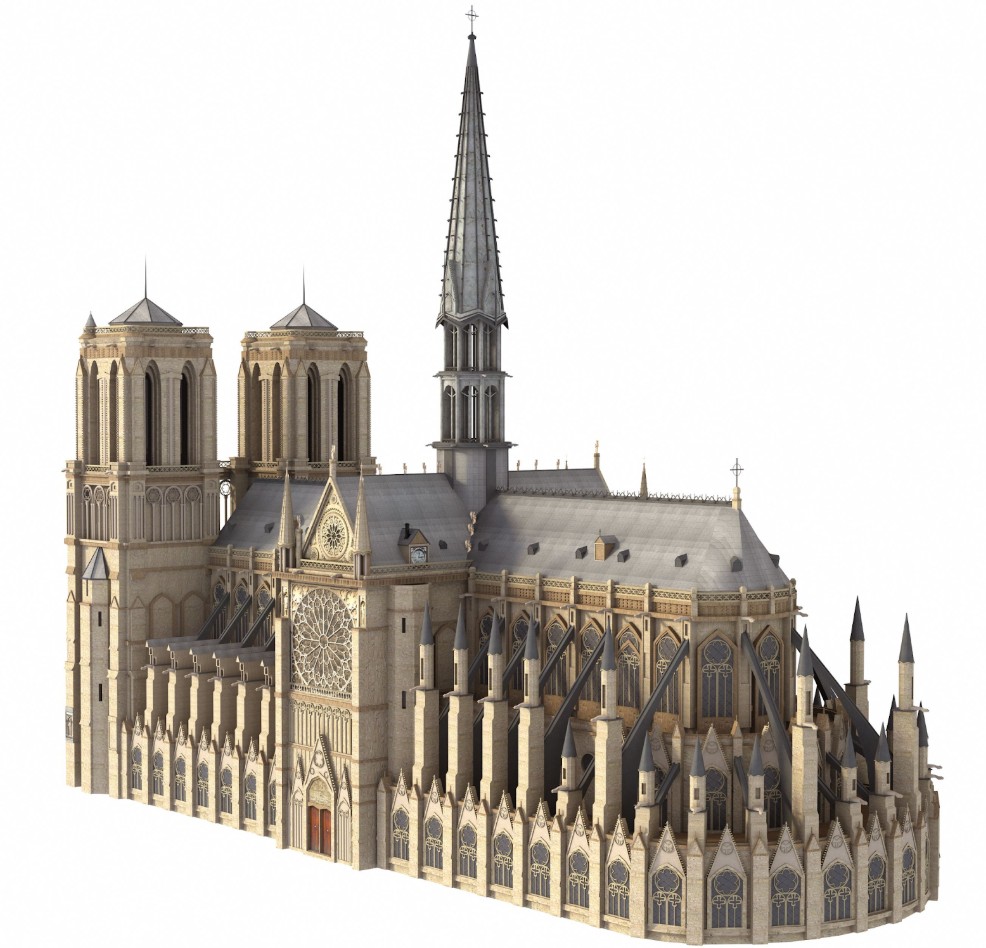
  • Natural Disasters: A complete, pre-disaster record is indispensable. It streamlines the insurance process, aids in emergency stabilization, and becomes the sole reference point for accurate reconstruction efforts, as seen with the LiDAR documentation and BIM models of Notre Dame used in rebuilding efforts after the fire.
  • Neglect and Decay: Documentation helps preservationists and engineers prioritize repairs by providing precise data on material condition and the original geometry of failed elements, transforming abstract problems into manageable, data-driven plans.
  • Bad Renovations: ECD is the antidote to damage caused by insufficient understanding of original construction techniques and materials or misguided "modernization". Enabling thoughtful, faithful, renovation back to original condition.

The Multi-Generational Legacy

Thorough documentation is an enduring asset that empowers a range of future applications:

  • Reconstruction and Replication: In cases of catastrophic loss, the complete 3D and photographic record acts as a blueprint for accurate, historically faithful reconstruction.
  • Thoughtful and Accurate Renovation: ECD is the foundation for responsible, surgical interventions, preventing irreversible modifications by helping modern architects understand the structure's original design intent.
  • Academic and Structural Analysis: The documentation set is an invaluable resource, allowing historians and engineers to virtually deconstruct the building to study historical techniques or structural vulnerabilities without physically affecting the original fabric.
  • Virtual Experience and Education: High-fidelity 3D models can be imported into virtual reality (VR) and augmented reality (AR) systems, allowing students and the public to walk through and examine a building that may no longer physically exist, preserving its cultural and educational value in perpetuity.

Components of an Infallible Record

Existing Conditions Documentation must adhere to stringent standards, mandating both accurate 3D digital reproduction of the building and comprehensive photographic documentation.

1. Accurate 3D Digital Reproduction

Modern preservation requires a precise, three-dimensional digital replica that captures the building's exact geometry.

  • 3D Laser Scanning (LiDAR): This is the gold standard for geometric accuracy. Scanners create a measurable "point cloud", which can be used to generate accurate plans or create a 'Historic BIM' (HBIM).
  • Photogrammetry: This uses overlapping photographs to create a 3D model, effectively capturing detailed surface texture, color, and minor imperfections. The resulting orthophotos are essential for documenting material conditions.

2. Comprehensive Photographic Documentation

Photography captures the qualitative, material, and contextual aspects. This complete visual record includes:
  • Exterior and Contextual Shots to preserve the sense of place.
  • Interior and Material Documentation, systematically photographing details like millwork and decorative plasterwork.
  • Condition Documentation (Forensic Detail) to record all visible signs of deterioration, such as cracks and structural failures.
  • Adherence to Archival and Metadata Standards to ensure permanent accessibility.
3D digital model of Notre-Dame de Paris: façade with twin towers, flying buttresses, rose window, and spire—illustrating precision documentation for historic preservation

Investing in Tomorrow's History

Existing Conditions Documentation is an investment, an insurance policy for our cultural heritage. It is a proactive, technologically advanced approach that ensures that even if a physical building is lost, its essence, its form, materials, and beauty, can be secured in the digital archive. By committing to this exhaustive documentation, we ensure the stories held within our historic buildings are passed on to be cherished by future generations.

Download White Paper

Contact us for an Existing Conditions Documentation Quote.

Get in Touch

Additional services

Who we serve

Documenting a landmark, parish property, or adaptive reuse? Discuss capture scope with our team.

Get in Touch

Property types documented

A comprehensive list of types of buildings, sites, and campuses Ground Truth 3D has scanned, with links to content where available.

Discuss scope, deliverables, and timeline with our team.

Get in Touch

Recent blog content

Start with a conversation about your documentation needs.

Get in Touch